Search
Search this site
121 results found with an empty search
- Homalomena | Plantastic
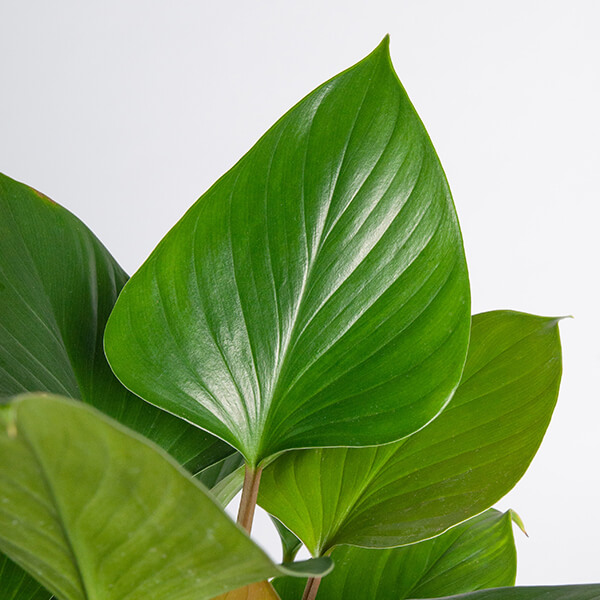
< Back Homalomena Light: Your Homalomena likes bright indirect light. They can tolerate lower light, but growth may slow significantly. If kept in direct sunlight, the foliage may burn. Water: Allow the top 50% of the soil of your Homalomena to dry out between watering. They do not like soggy soil, but also do not like to dry out for extended periods of time. Pet-Safe: Your Homalomena is toxic to animals and humans if ingested. Previous Next
- Euonymus | Plantastic
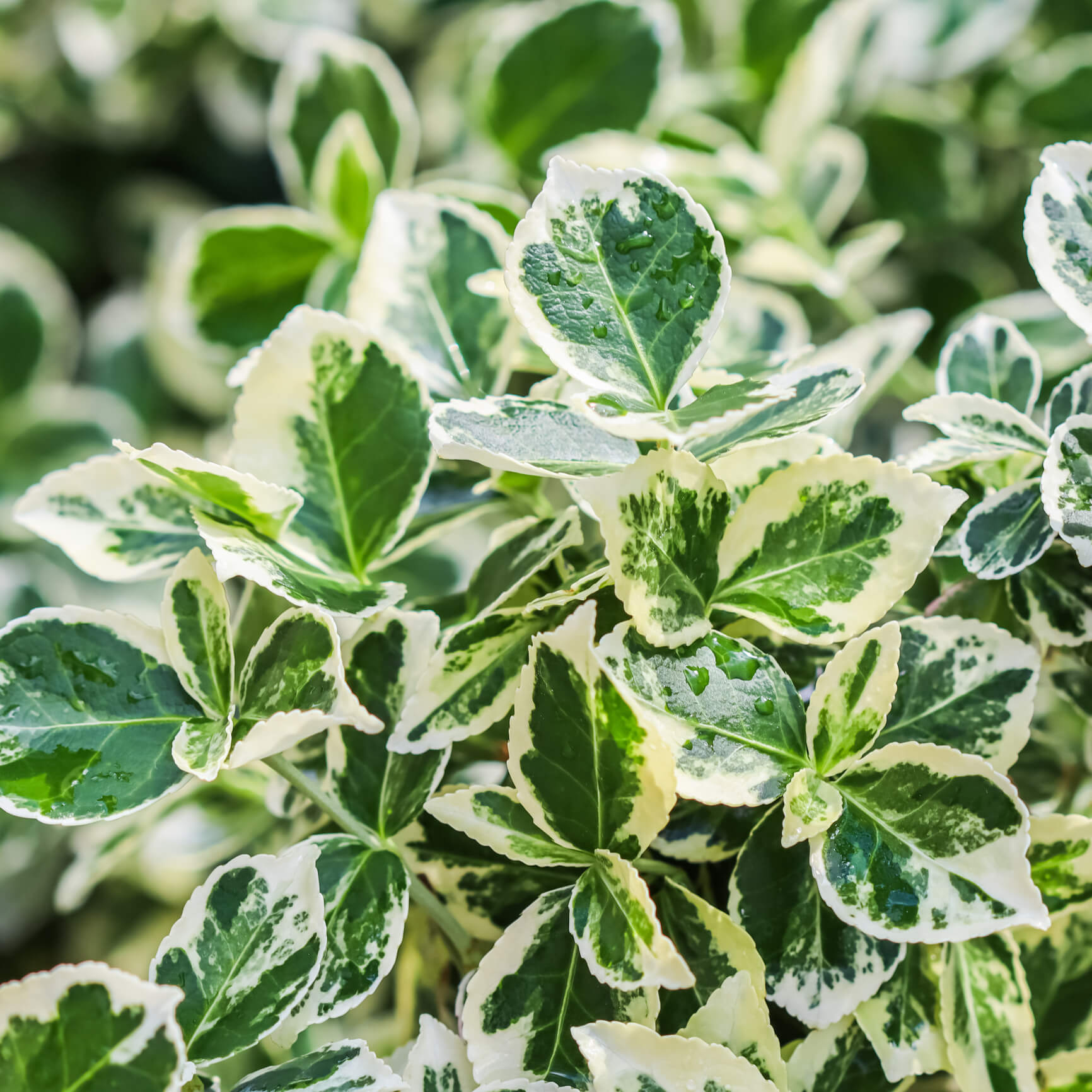
< Back Euonymus Light: Your euonymus will love bright, indirect sunlight. Avoid placing it in direct sunlight as this may cause the leaves to burn and turn white. Eastern exposure or a few feet back from a southern or western window is ideal. Water: Water when 50% of the soil volume is dry. Water thoroughly until you see it flow out of the drainage hole. Discard any excess water to avoid root rot. Your euonymus needs less water during the winter dormant season. Pet-Safe: The euonymus plant is toxic to humans and pets if ingested. Previous Next
- Palm | Plantastic
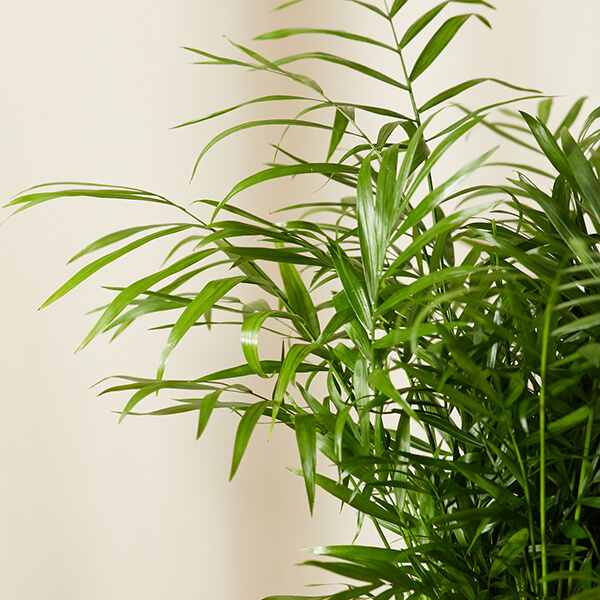
< Back Palm Light: Your Palm prefers bright indirect light but can adapt to medium to low light areas. Water: Water your Palm when the top 50% of the soil is dry. Water until liquid flows through the drainage hole at the bottom of the pot and discard any water that has accumulated in the saucer. Pet-Safe: Completely non-toxic to humans and pets. Previous Next
- Aglaonema | Plantastic
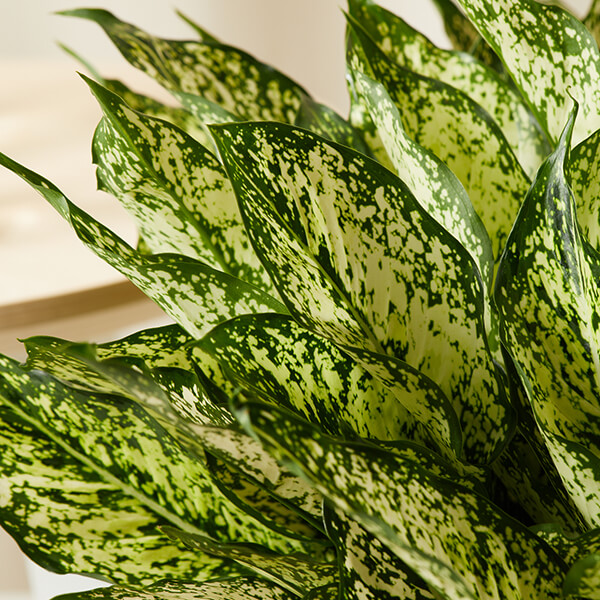
< Back Aglaonema Light: Your Aglaonema prefers indirect bright light. It can adapt to low light, but the growth will slow considerably. Direct morning sunlight is fine for this plant, but avoid direct afternoon sunlight which can burn the leaves. If you don’t have an ideal location for your Aglaonema, use a Grow Light. In low light, its color and variegation will not be as pronounced. Water: Water your Aglaonema when 50% of the soil volume is dry. Water until liquid flows through the drainage hole at the bottom of the pot and discard any water that has accumulated in the saucer. Pet-Safe: The Aglaonema is moderately toxic to pets and humans. Typically, ingestion will cause mouth and stomach irritation and possible vomiting. Previous Next
- Fern | Plantastic
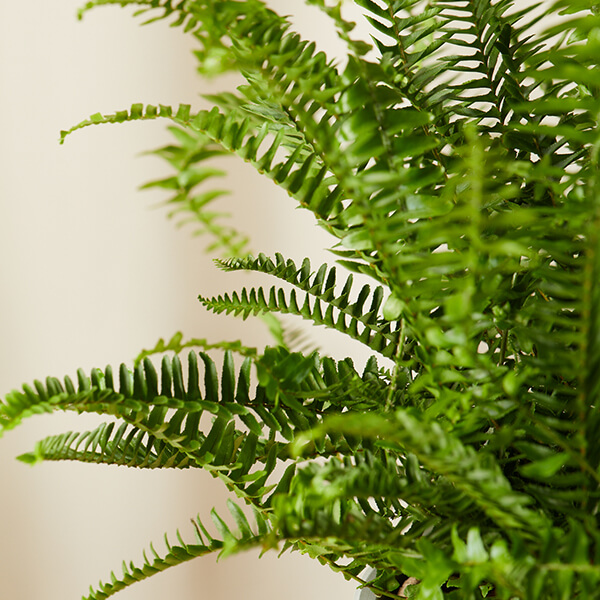
< Back Fern Light: Your fern will do best in medium to low light. The more light it receives, the more the leaves will crinkle and the less light, the flatter the leaves will be. Keep in mind, too much light or extended periods of direct sunlight will cause the fronds on the fern to get a pale bleached color. Water: Water when the top 25% of the soil is dry. When watering, water only the soil – not the leaves. Water accumulating in the crown of your plant could lead to bacterial growth and potential leaf rot. Water until liquid flows through the drainage hole at the bottom of the pot and discard any water that has accumulated in the saucer. Pet-Safe: Ferns are non-poisonous plants and safe for humans, dogs and cats. Previous Next
- Olive Tree | Plantastic
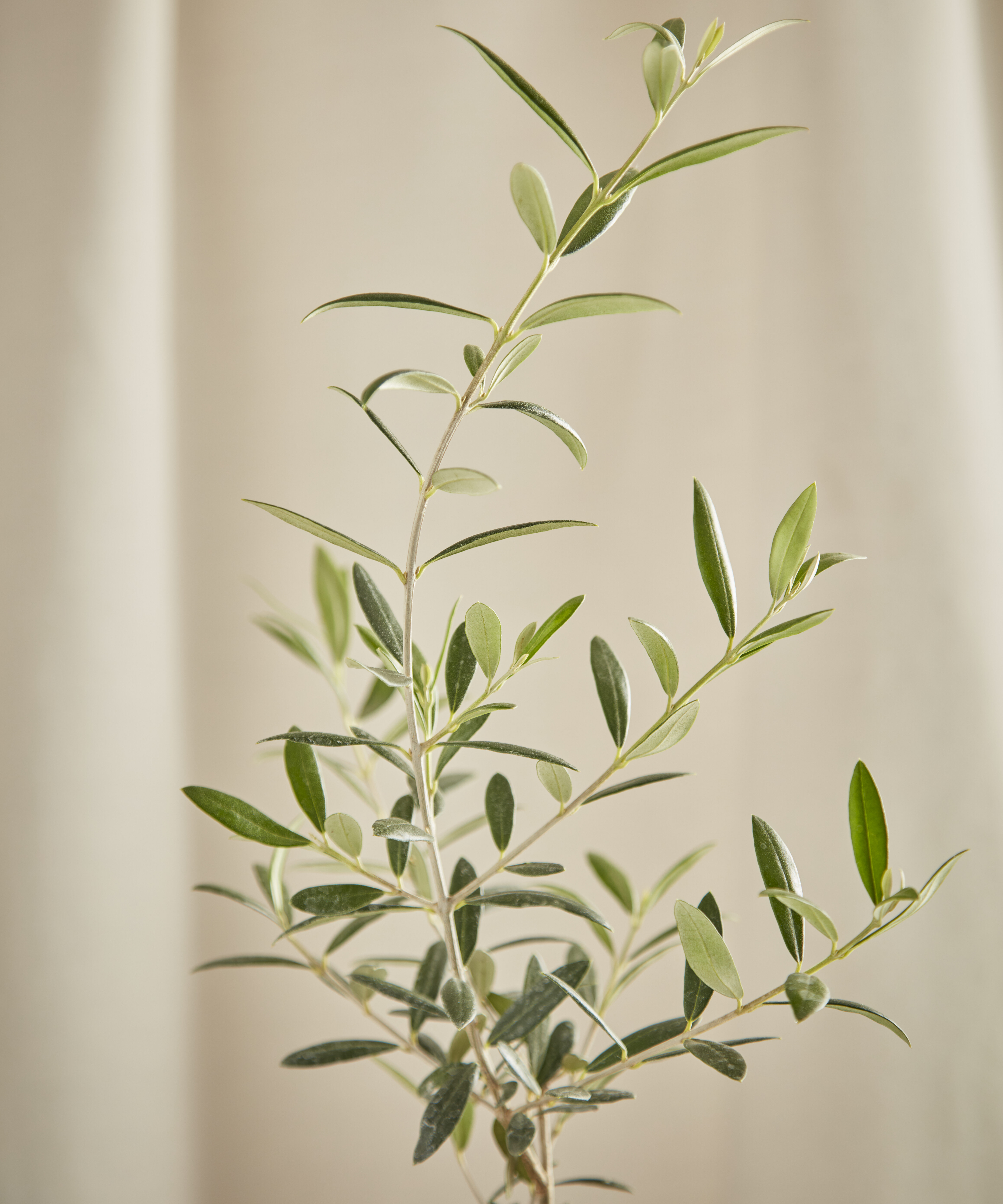
< Back Olive Tree Light: Your olive tree prefers direct sunlight. Place your plant in a full sun location that receives 6+ hours of direct sunlight per day. Water: Water when 25% of the soil volume is dry. Water until liquid flows through the drainage hole at the bottom of the pot. Do not use a saucer outdoors or allow the plant to sit in standing water. Pet-Safe: Your olive tree is considered nontoxic and pet-friendly. Previous Next
- Cactus | Plantastic
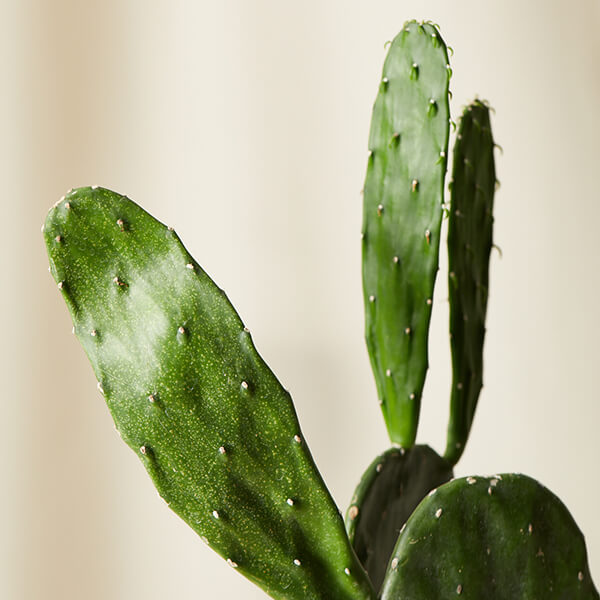
< Back Cactus Light: Your Cactus needs bright direct light. This means a spot that gets 6 or more hours of direct sun per day, like an unobstructed southern or western window. Water: Water your cactus when the soil volume is 100% dry. Water thoroughly until it flows out of the drainage hole. Discard excess water to discourage root rot. Pet-Safe: This is considered pet friendly, but watch out for spikes! Previous Next
- Bromeliad | Plantastic
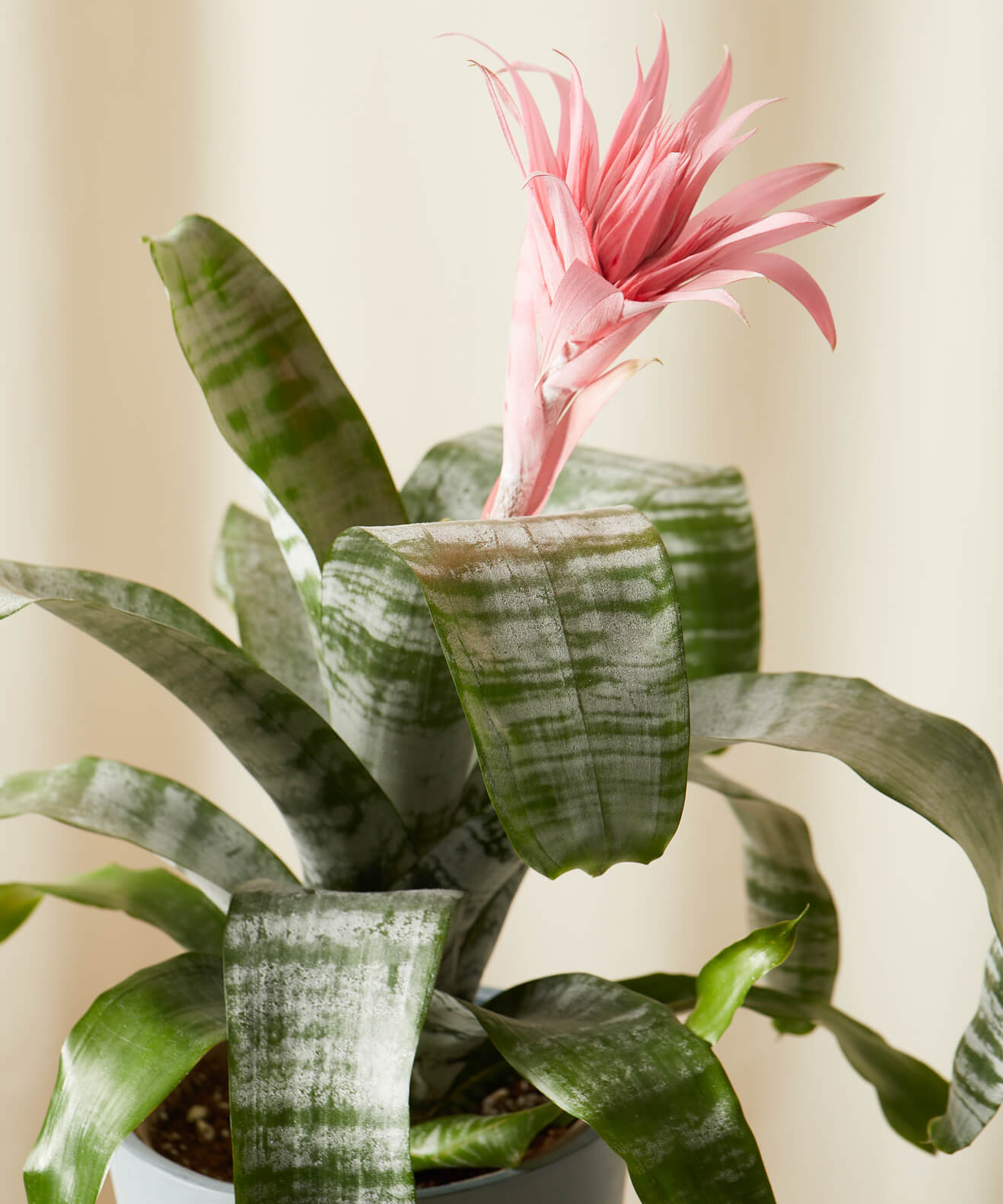
< Back Bromeliad Light: Your Bromeliad prefers indirect bright light like from a sunny eastern window. Too little light and the plant will not produce new pups and flowers, but too much light will burn the leaves. Water: Bromeliads are unique in that you water the center of the plant instead of the soil. Keep the center of the plant filled with water at all times – up to halfway. Every few weeks, empty any water, rinse and fill with fresh water. This helps prevent salt and mineral buildup. Only water the soil when it is 100% dry. When watering the soil, water until liquid flows through the drainage hole at the bottom of the pot and discard any water that has accumulated in the saucer. Pet-Safe: Your Bromeliad is non-toxic and pet friendly. The leaves can cause contact dermatitis in some individuals, so consider wearing gloves when handling the plant. Previous Next
- Home | Plantastic
The One-Stop-Shop for All Your Plant Needs Search dozens of plants in our database! Search Some Popular Picks Browse some of the plants that are pretty popular amongst our users. Aloe Great for burns and for homes! Monstera A classic houseplant for old and new plant lovers alike. Kalanchoe Succulents are nice and easy without much watering! Browse by Plant Need From low light to high maintenance and everything in between. Hard to Kill For newbies and busy plant lovers alike, find a plant you can forget about. These plants will grow with minimal input, good and bad alike. Low Light No sunlight, no problem. Whether you're in the PNW or in your mom's basement, these plants will thrive without the sun. Pet-Friendly Make your new addition to the family one that gets along with everyone . No pets were harmed in the growing of these plants. Frequently Asked Questions How often should I water my plant? It depends on the plant! A good rule of thumb is if the soil looks dry or if the leaves are drooping, it's a good time to water - but some plants need watering more OR less often. What pot should I put my plant in? This again depends on the plant, but in general, you want to make sure that the pot is large enough for the plant's roots to grow. This can mean repotting as your plant gets bigger, as well! My plant is dying. What do I do? Oh no! Usually watering is the most likely culprit, so let's troubleshoot: - If you haven't watered recently, the leaves look dry, and the top layers of soil are dry, water! - If you have watered recently or the leaves look yellow and/or droopy, stop watering! Your plant may be overwatered, and the likelihood of the plant developing root rot is high. Let the soil drain out when you do water, and trim away any black or mushy roots. If your plant needs more light, it might be worth investing in a grow light, or if the soil is the cause, repotting your plant may be your best bet. Do some investigating, and reach out if you need further clarification and help! You asked, we answered.
- About | Plantastic
About Us Our growth to where we are today. From Sprout to Full Grown We started small, looking at the plant websites around town, before realizing we could grow into one ourselves. Here we are now, a website for everyone to learn to love and care for plants. We couldn't be sprouter. Meet the Team! Me Just me